Screen Printing

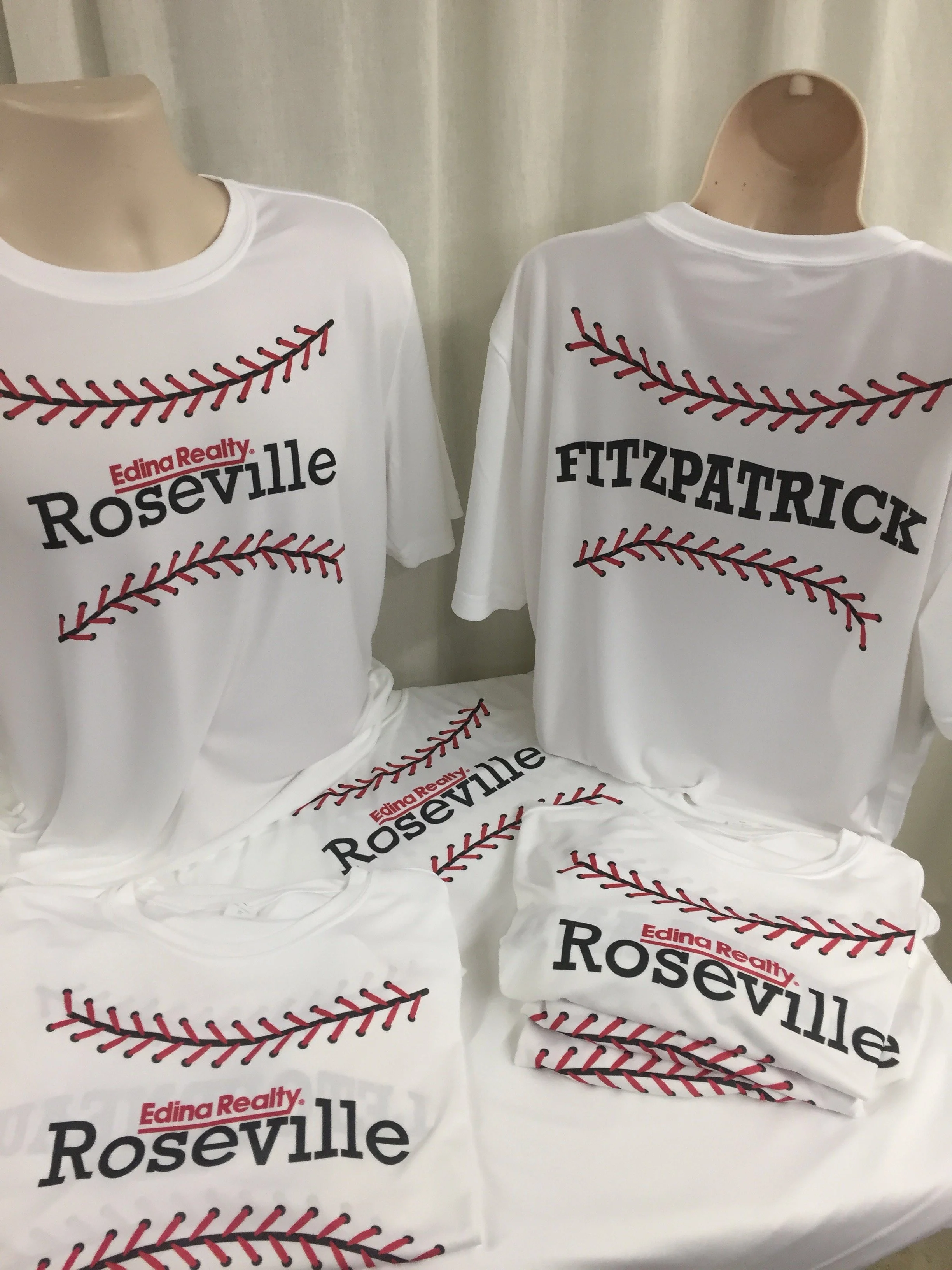
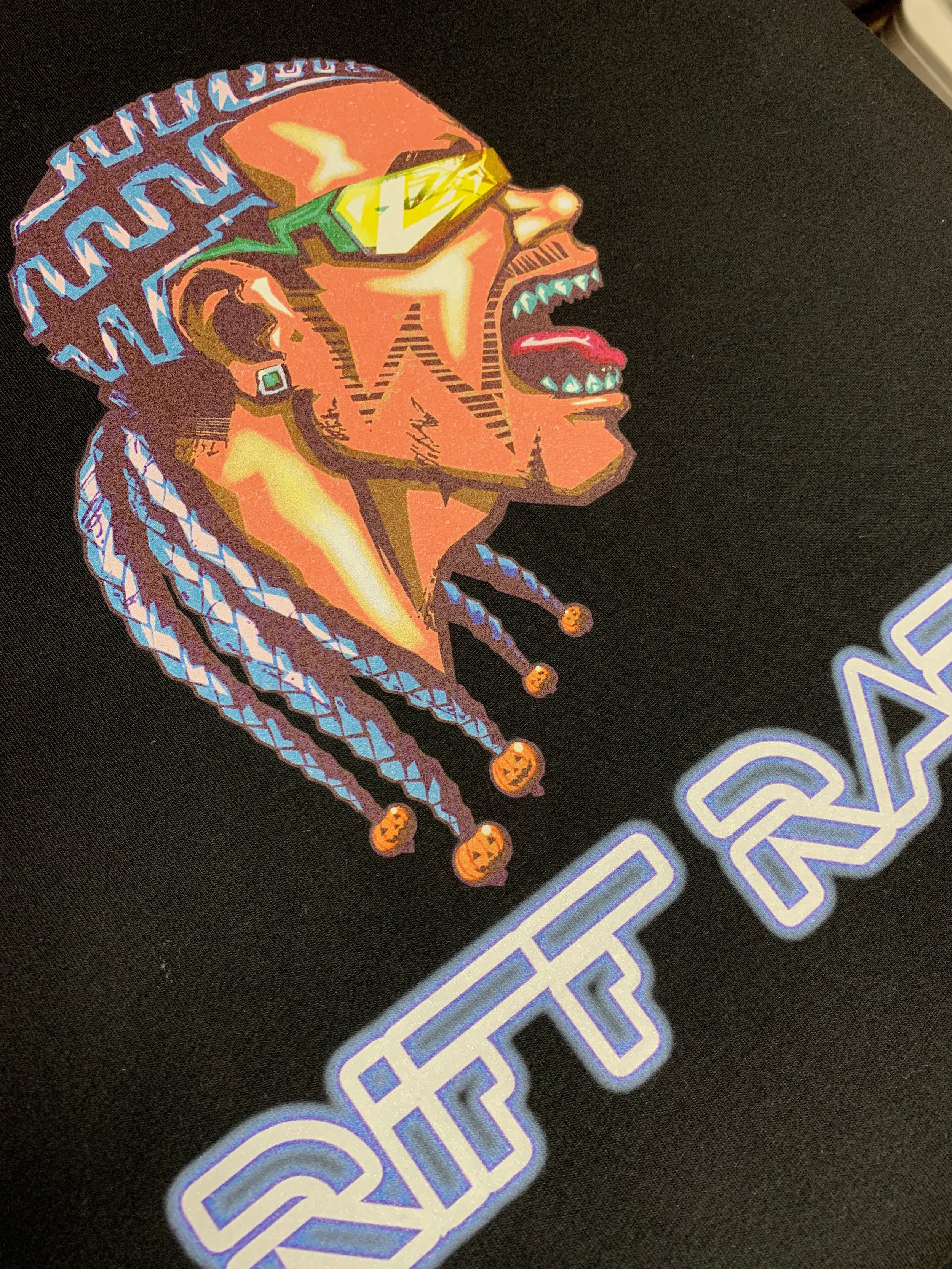
Using screens to create stencils, ink is then pushed through a different screen for every color, using squeegee. This printing technique is the most traditional and creates high quality, durable prints. Screen Printing is best suited for large quantity jobs with bold graphics or low color counts and non standard print locations such as a sleeve or pocket. Specialty inks can also be used to create desired affects such as metallic, reflective, puff, and more.
 

Embroidery

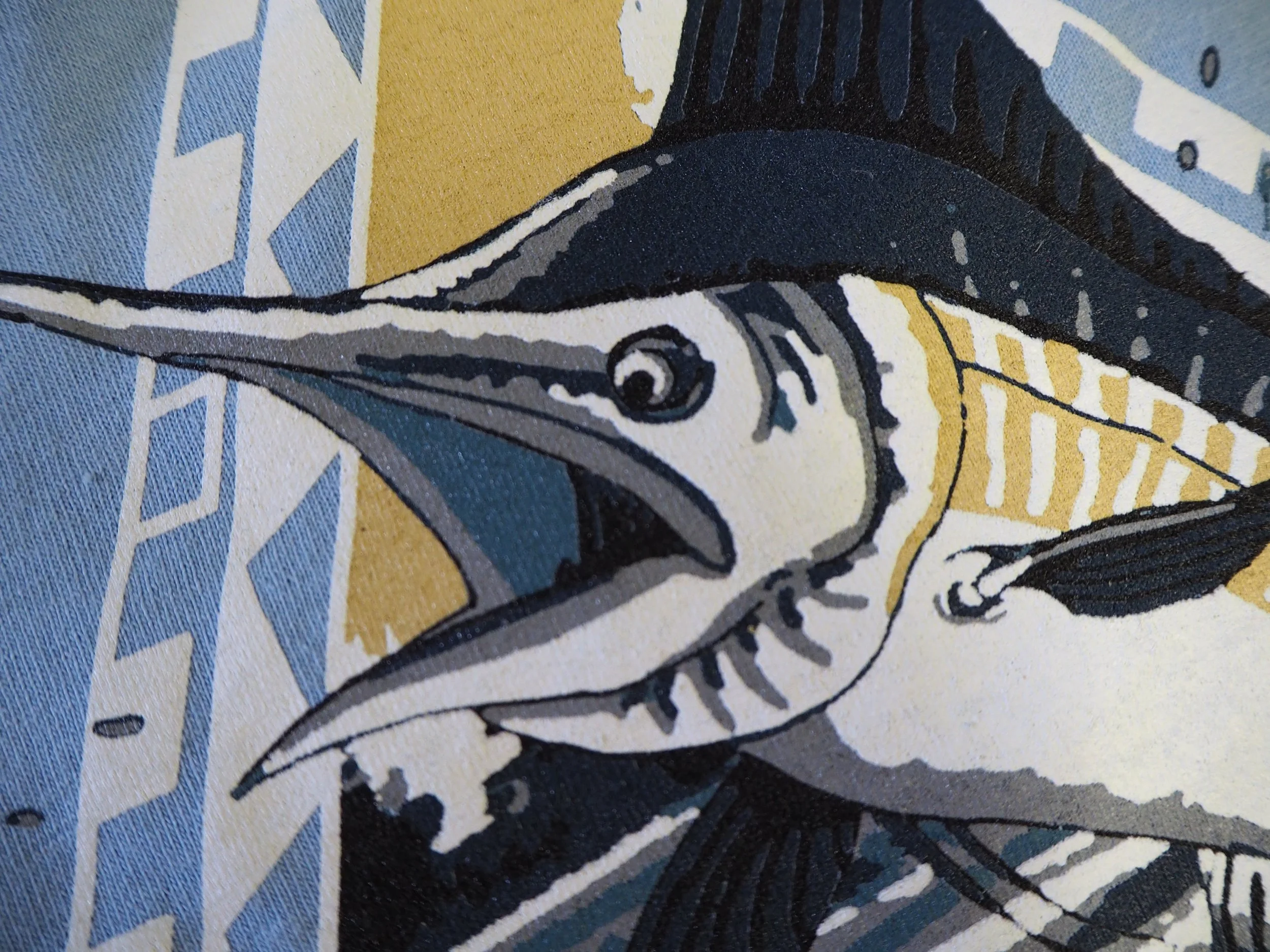
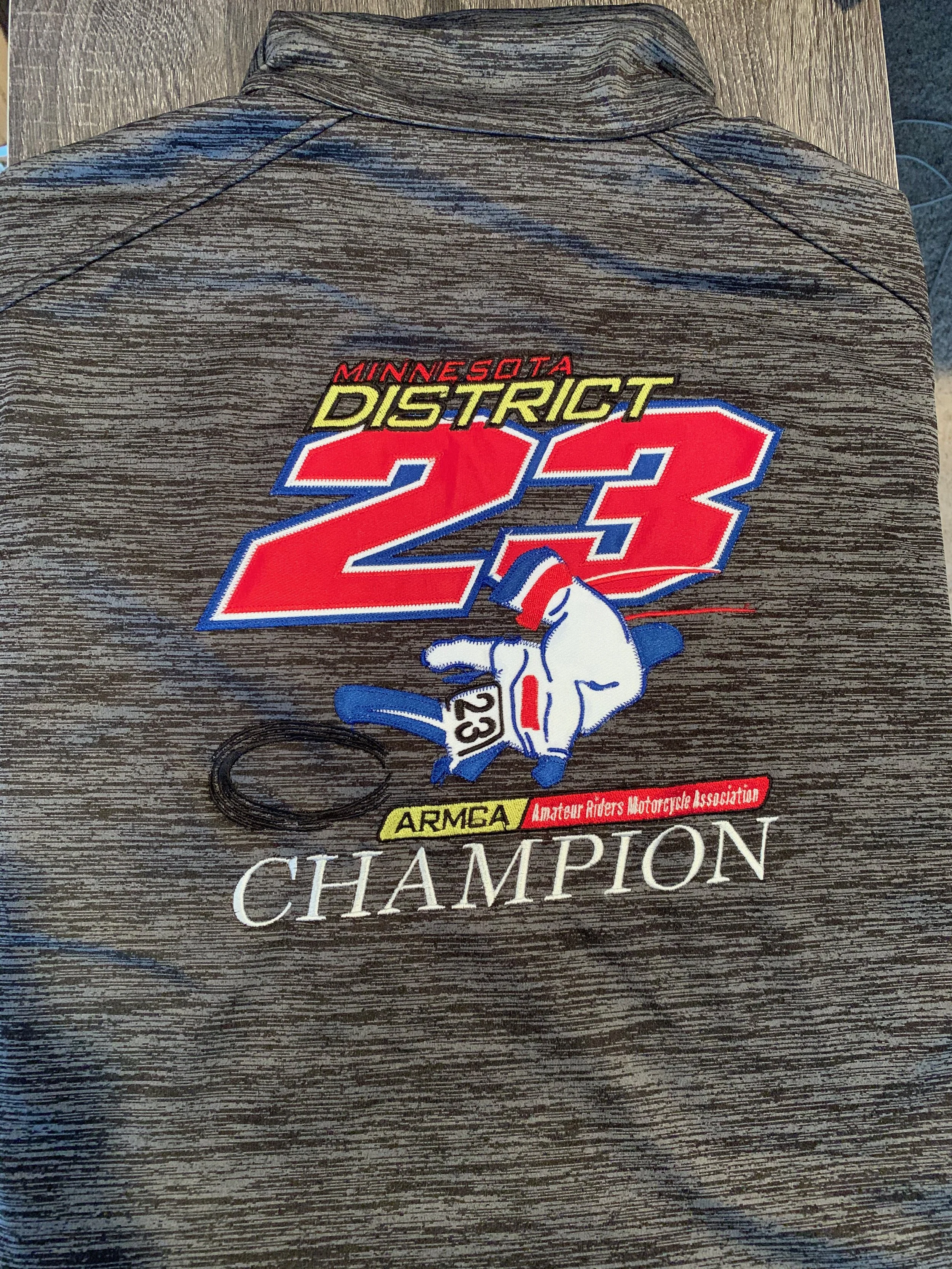
Through a process called “Digitizing” we take a typical artwork file (.ai, .pdf) and turn it into a digital file (.dst) composed of ‘Thread Counts.’ This file is used by embroidery machines to separate the colors into individual thread colors that can then be loaded into the machine to replicate the design. Creates a sophisticated look mostly used for outwear, headwear, and polos, with a limited color count.


Sublimation

Best suited for high quality photorealistic images, Sublimation has no constraints on the number of colors in a design. Mostly used for Athletic Jerseys, this decoration method is created by dying polyester fabrics from printed transfers. Limited to light colored fabrics, the higher the polyester content of the fabric the more vibrant the colors will look.


Direct To Garment (DTG) and DTF

Akin to a desktop printer, DTG or Direct to Garment printers actually print right on to the garment that is loaded into the printer. This design technique works great for low quantity orders with lots of colors or tests before running larger jobs. Like sublimation there is no constraints on colors, however typically works best with 100% cotton fabrics because of its use of water-based inks.